
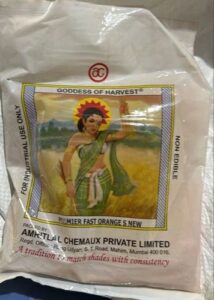
Textile Processing Chemicals
Textile processing chemicals are essential components in the textile industry, used to enhance the quality, performance, and appearance of fabrics. These chemicals play a crucial role in various stages of textile processing, including preparation, dyeing, finishing, and printing. They help in achieving desired properties such as color fastness, softness, water repellency, and stain resistance. Below is a detailed description of the types of textile processing chemicals, their uses, and technical data.
Types of Textile Processing Chemicals
- Dyes and Pigments: Used for coloring fabrics.
- Surfactants: Aid in wetting, emulsifying, and dispersing.
- Finishing Agents: Provide specific properties like wrinkle resistance and softness.
- Bleaching Agents: Remove color from fabrics to prepare for dyeing.
- Softening Agents: Enhance the feel and drape of textiles.
- Antimicrobial Agents: Prevent the growth of bacteria and fungi on fabrics.
Uses of Textile Processing Chemicals
- Dyeing: To impart color to textiles, ensuring uniformity and vibrancy.
- Washing: To remove impurities and prepare fabrics for further processing.
- Finishing: To enhance the performance and aesthetic qualities of textiles.
- Coating: To provide water and stain resistance.
- Printing: To apply designs and patterns onto fabrics.
Technical Data Table
| Chemical Type | Common Uses | Properties | Application Method | Safety Considerations |
|---|---|---|---|---|
| Dyes | Coloring fabrics | Color fastness, lightfastness | Batch dyeing, continuous dyeing | Handle with gloves, avoid inhalation |
| Surfactants | Wetting, emulsifying | Surface tension reduction | Pre-treatment, dyeing | May cause skin irritation |
| Finishing Agents | Softening, wrinkle resistance | Improved drape, softness | Padding, spraying | Use in well-ventilated areas |
| Bleaching Agents | Color removal | High oxidizing potential | Soaking, padding | Avoid contact with skin |
| Softening Agents | Enhancing feel | Softness, flexibility | Padding, spraying | Non-toxic, but test for allergies |
| Antimicrobial Agents | Preventing microbial growth | Bactericidal, fungicidal | Padding, spraying | Follow safety data sheets |
Conclusion
Textile processing chemicals are vital for achieving high-quality textiles that meet consumer demands. Understanding their properties, uses, and safety considerations is essential for manufacturers to ensure effective and safe processing of fabrics. By utilizing the right combination of these chemicals, textile producers can enhance the performance and longevity of their products while adhering to industry standards.